Understanding Window Tint Chattanooga
What is Window Tint?
Window tint is a thin laminate film applied to the interior or exterior of windows in cars, homes, and buildings to control heat, glare, and UV exposure. Available in various shades and types, window tint enhances aesthetics while offering privacy and protection against harmful sun rays. Its versatility makes it a popular choice among Chattanooga residents looking to improve their vehicles or homes.
Benefits of Window Tint
The benefits of window tint Chattanooga extend beyond mere aesthetics. Here are some key advantages:
- Heat Reduction: Window tint effectively blocks a significant percentage of solar heat, keeping interiors cooler.
- UV Protection: Tinted windows can block up to 99% of harmful UV rays, protecting skin and interior furnishings.
- Enhanced Privacy: Tints provide a level of security by obscuring the view into vehicles and homes.
- Glare Reduction: Tints help in reducing glare from sunlight, improving visibility while driving or working indoors.
- Style and Aesthetics: The right tint can dramatically enhance a vehicle's or building's appearance.
Legal Aspects of Window Tinting in Chattanooga
Before applying window tint, it's crucial to understand local regulations. In Chattanooga, the law outlines specific limits on tint darkness and the types of tint materials allowed. For cars, the front windshield typically requires a certain level of light transmittance, while the rear windows may have looser restrictions. Compliance with these laws not only ensures the safety of your vehicle but also prevents potential fines.
Choosing the Right Window Tint Chattanooga
Types of Window Tint Films
Various types of window film are available, each with unique properties. Here are the most common options:
- Dye-Added Film: This budget-friendly option uses dye to absorb sunlight but may fade over time.
- Metalized Film: Contains metallic particles that reflect heat; durable but might interfere with electronic devices.
- Carbon Film: Offers a matte black finish, blocks infrared rays, and is less likely to fade.
- Ceramic Film: The highest quality option which blocks UV rays without affecting signal reception, and maintaining clarity.
Factors to Consider When Selecting Tint
When selecting window tint, consider the following factors:
- Functionality: Determine if the primary need is for privacy, heat reduction, or UV protection.
- Appearance: Choose a tint that complements the aesthetic of your vehicle or building.
- Durability: Assess the longevity and warranty of the film being purchased.
- Heat Rejection: Look for tints that specify how much heat they reject, useful in warm climates.
Common Myths about Window Tint
Several myths about window tinting can lead to misunderstandings. Here are some commonly held false beliefs:
- Myth 1: All tints are illegal. Fact: Legal regulations vary; many shades are permissible.
- Myth 2: Tint will make it impossible to see at night. Fact: High-quality tints enhance visibility, not diminish it.
- Myth 3: Cheap tints perform just as well. Fact: Quality matters; cheaper options may not provide the desired benefits.
Window Tint Installation Process
DIY vs Professional Installation
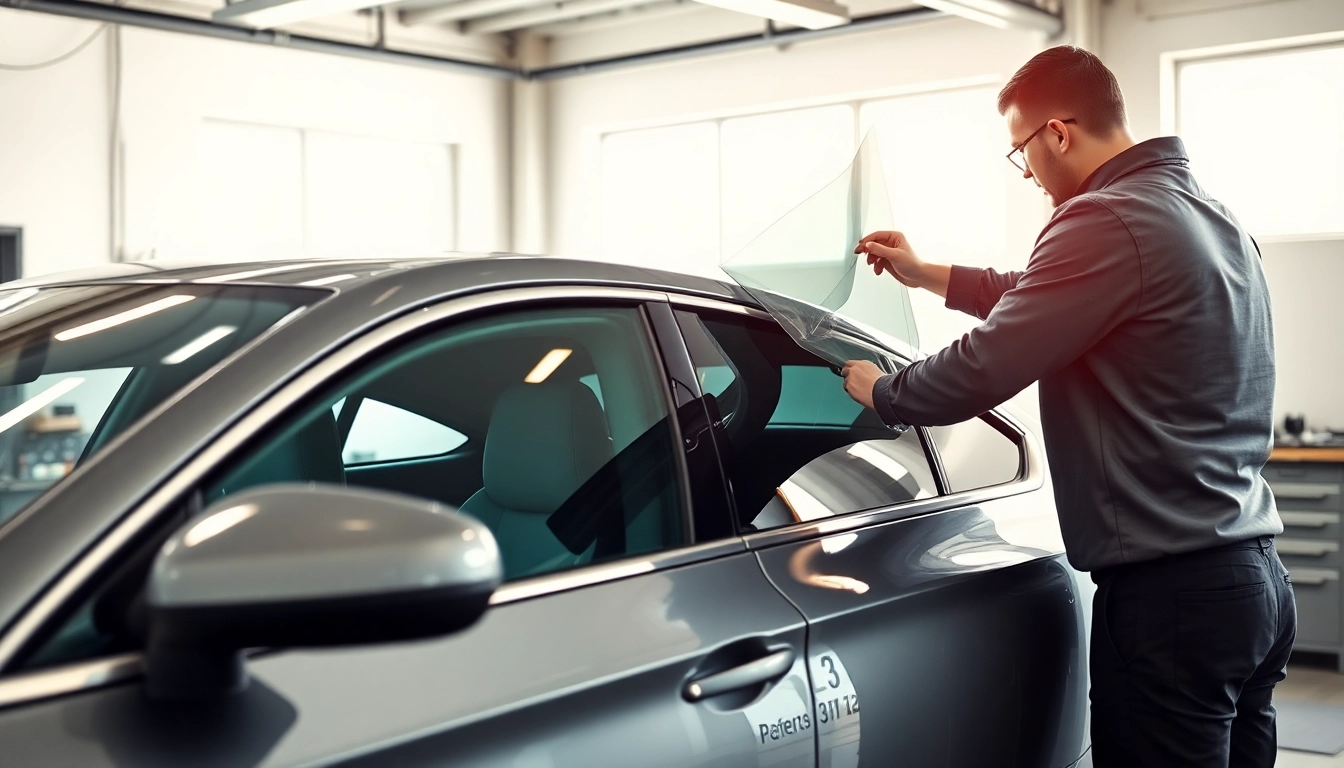
When it comes to window tint installation, you may choose to go the DIY route or hire a professional. DIY installation can be cost-effective but requires careful attention to detail and experience to avoid common pitfalls, such as bubbles and misalignment. Hiring professionals, on the other hand, ensures a flawless application, with expertise in selecting the right materials for your needs and compliance with local laws.
Step-by-Step Guide to Installation
If you decide to install window tint yourself, follow these general steps:
- Gather Tools: You'll need a spray bottle, squeegee, razor blade, and lint-free cloth.
- Clean the Windows: Thoroughly clean your windows to remove dust and grease.
- Measure and Cut: Measure your windows and cut the film accordingly, allowing some excess on the edges.
- Spray the Glass: Mist the window with a solution of water and soap to prevent sticking.
- Apply the Film: Start applying the film from one edge, smoothing out bubbles as you go.
- Trim Edges: Use a razor blade to neatly trim the excess film along the window’s edge.
- Squeegee Away Water: Smooth out any remaining moisture and air bubbles from the film.
- Let It Cure: Allow the tint to cure for a few days for the best results.
Common Pain Points during Installation
While installing window tint, you may encounter several common challenges:
- Bubbles: Often caused by moisture trapped between the film and glass. Use a squeegee to push them out.
- Misalignment: If the tint is not aligned correctly, it might need to be removed and reapplied.
- Dust and Dirt: Ensure the working environment is clean to prevent dirt from getting under the film.
Maintenance Tips for Window Tint Chattanooga
Cleaning Techniques for Tinted Windows
To maintain tinted windows, clean them regularly using gentle solutions. Avoid ammonia-based cleaners as they can degrade the film. Instead, opt for a mix of dish soap and water. Use a soft sponge or microfiber cloth to prevent scratches, and make sure to dry the glass to prevent streaks.
Preventing Peeling and Bubbling
Peeling and bubbling can occur due to poor installation or moisture retention. To prevent these issues, ensure proper installation with a professional if you're inexperienced. Additionally, allow the tint to cure fully after application, avoiding moisture on the windows until the film has set.
When to Replace Your Window Tint
Window tint typically lasts between five to ten years, depending on the quality of the film and environmental factors. Signs it's time to replace include noticeable discoloration, peeling edges, or bubbling. Regular inspections can help you spot these issues early, ensuring you replace it when necessary.
FAQs about Window Tint Chattanooga
How long does window tint last in Chattanooga?
Quality window tint can last over a decade with proper care and maintenance, protecting your investment.
Does window tint reduce interior heat?
Yes, window tint effectively blocks UV rays, which can significantly reduce heat and keep your vehicle cooler.
Will window tint affect my nighttime driving?
High-quality tints are designed to enhance visibility at night while maintaining privacy during the day.
Can I install window tint myself?
While DIY installation is possible, hiring professionals ensures optimal application and longevity of the tint.
How do I choose the right darkness for my tint?
Consider local regulations and personal preference for privacy and sun exposure when selecting tint darkness.